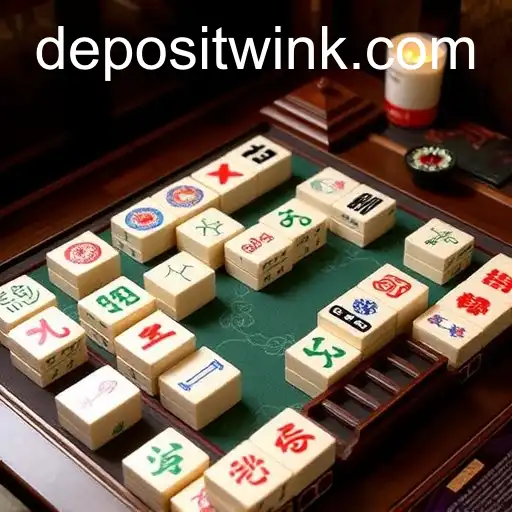
The Cultural Significance and Popularity of Mahjong
Mahjong is a game rich in history and cultural significance, originating in China and capturing the interest of players worldwide. Its intriguing mix of strategy, skill, and chance makes it a captivating pastime that has endured through the ages.
Historical Roots of Mahjong
Mahjong is believed to have been developed during the Qing dynasty in China, gaining popularity among the elite before spreading widely to the general population. The game's introduction to the West in the early 20th century marked a significant milestone, catalyzing its evolution into various styles and forms while maintaining its core elements.
Gameplay: A Blend of Strategy and Chance
At its core, Mahjong is played with a set of 144 tiles based on Chinese characters and symbols. The objective is to build a complete hand by drawing and discarding tiles, similar to the card game rummy. Players must balance the elements of strategy and luck to formulate winning combinations.
The Importance of Strategy
Strategy plays a key role in Mahjong, with players required to make tactical decisions based on observing opponents' moves, managing their hand effectively, and predicting potential outcomes. This cerebral aspect of Mahjong is a major factor in its enduring appeal.
Variations Across Cultures
Mahjong has spawned numerous regional variations, reflecting the diversity and adaptability of the game. While the basic rules remain constant, these variations incorporate unique elements, making each version distinct.
American Mahjong
American Mahjong, for instance, introduces joker tiles and a Charleston phase, adding complexity and excitement. This version has gained a foothold among a passionate community in the United States.
Japanese Riichi Mahjong
In Japan, Riichi Mahjong is popular, distinguished by its unique scoring system and the introduction of the Riichi declaration, adding a bluffing element to the game. It emphasizes strategic depth, making it a favorite among competitive players.
Mahjong in the Digital Age
The advent of the Internet and digital gaming platforms has bolstered Mahjong’s popularity, introducing the game to a global audience. Online platforms allow for solo play against AI or multiplayer matches with enthusiasts worldwide.
Mobile Apps and Online Platforms
Modern technology has breathed new life into Mahjong through mobile apps and online platforms, broadening access and engagement with the game. Players can now indulge in quick matches during breaks or extended multiplayer sessions, all at their convenience.
The integration of realistic graphics and engaging interfaces emulates the tactile experience of physical tile play, adding a layer of immersion that appeals to both purists and newcomers.
Exploring 6566 com
The term "6566 com" is often associated with Mahjong in online settings, possibly referencing platforms or services providing Mahjong-related content or communities. These digital spaces frequently foster vibrant interactions, where enthusiasts gather to discuss strategy, organize matches, or explore new variations.
Platforms like 6566 com may serve as hubs for information exchange and competition, enhancing the communal and competitive aspects of the game that are central to its allure.
Explore more about Mahjong on our homepage for additional insights and updates.